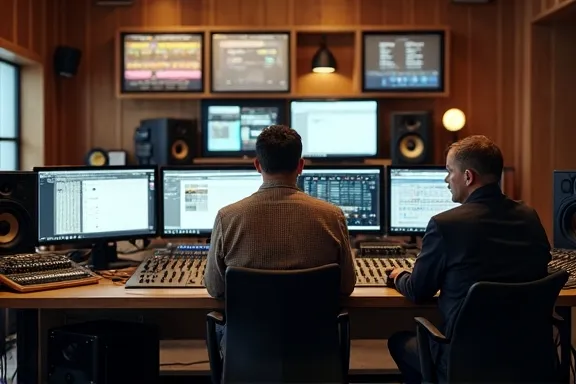
The landscape of radio broadcasting has undergone significant changes in recent years. With the rise of digital technologies, the way we consume audio content is evolving at an unprecedented pace. As we look to the future of radio, it becomes crucial to explore the innovations that are shaping this industry and how they may redefine our listening experiences.
Podcasting: The New Frontier
One of the most significant innovations in the realm of audio is the explosion of podcasting. What began as a niche market has evolved into a massive platform for storytelling, education, and entertainment. According to a report by NPR, nearly one in four Americans have listened to a podcast in the last month, demonstrating the growing popularity of this medium.
Podcasts offer the flexibility that traditional radio often lacks. Listeners can access content on-demand, choosing to engage with topics that specifically interest them at their convenience. Radio stations are increasingly recognizing this trend, with many creating their own podcasts to reach a broader audience. This convergence of traditional radio and podcasting represents a thrilling opportunity for content creators to explore new ways of storytelling and community engagement, echoing themes discussed in our article on Exploring the Art of Radio Storytelling.
Smart Speakers and Voice Technology
Another exciting development shaping the future of radio is the integration of smart speakers and voice technology. Devices like Amazon Echo and Google Nest are becoming household staples, transforming how we interact with audio content. According to Pew Research Center, about 30% of Americans own a smart speaker, and many use them to stream radio stations and podcasts.
Smart speakers allow users to request their favorite stations, podcasts, or even specific songs using voice commands. This convenience adds a layer of accessibility, particularly for those who may have difficulty navigating traditional media platforms. Furthermore, as voice recognition technology becomes more sophisticated, the potential for personalization in radio programming could be limitless, ensuring that listeners receive tailored content according to their preferences.
The Rise of Live Streaming
While traditional radio has always been a staple for live broadcasting, the advent of digital platforms has significantly expanded the scope of what live radio can be. Live streaming services allow radio stations to broadcast their content not just over the airwaves but across the internet, reaching global audiences.
Platforms such as TuneIn, iHeartRadio, and even social media networks like Facebook and Instagram have enabled stations to engage with listeners in real-time. This has transformed the radio experience into a more interactive affair, allowing for listener participation during live shows through comments or calls. The implications for community engagement mirror those highlighted in our exploration of The Impact of Community Radio on Local Societies, showcasing how technology can unite diverse communities around shared interests.
Enhanced Data and Analytics
As radio continues to adapt to digital technologies, data and analytics have emerged as vital tools for broadcasters. Understanding audience behavior, preferences, and trends can inform programming decisions and marketing strategies, ultimately allowing for more engaging and relevant content.
Broadcasting companies are using data analytics to assess listener engagement and fine-tune their offerings. By analyzing metrics such as listenership patterns and demographic information, stations can create more targeted content that resonates with their audience. This level of insight can also help identify emerging trends, providing opportunities for stations to be at the forefront of changes in listener tastes.
The Integration of Augmented Reality (AR)
Augmented Reality (AR) is another area where radio innovation is taking place. As AR technology becomes more mainstream, radio could incorporate immersive elements to enhance storytelling and listener engagement. Imagine tuning into a radio drama while simultaneously viewing interactive graphics or additional content on your screen.
This blend of audio and visual elements could revolutionize how we experience radio, creating compelling narratives that fully engage our senses. While still in its infancy, the potential for AR in the radio industry highlights the ongoing quest for innovation, challenging traditional notions of what radio can be.
Conclusion: Embracing the Future
As we look forward, the future of radio seems bright, populated by a host of exciting innovations that promise to redefine the listening experience. From the rise of podcasting to the integration of smart technologies and analytics, radio is on the verge of a transformation that will not only enhance its relevance but also increase its impact on society.
While the medium continues to evolve, the essence of radio as a powerful storytelling tool and a community connector remains steadfast. As we explore these changes, it’s crucial for broadcasters and listeners alike to embrace the opportunities that lie ahead. By doing so, we can ensure that radio not only survives but thrives in this new era of audio innovation.