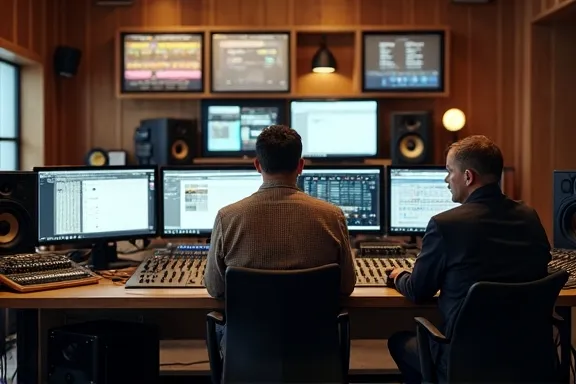
The world of audio content is rapidly evolving, and at the forefront of this evolution is the dynamic relationship between traditional radio and the burgeoning podcast industry. As listeners seek flexibility, accessibility, and niche content, the intersection between radio and podcasts offers intriguing opportunities and challenges. This article delves into how radio and podcasts complement each other, the benefits of merging the two mediums, and what this means for the future of audio consumption.
The Rise of Podcasts
Podcasts have seen exponential growth over the last decade, with millions of shows available on a plethora of topics. According to Statista, there were over 2 million podcasts available as of early 2023, with an audience that continues to expand. This rise can be attributed to the accessibility of podcasting platforms, the growing popularity of on-demand content, and the ability to cater to specific interests and demographics.
Unlike traditional radio, which typically operates on a scheduled format, podcasts allow listeners to consume content at their convenience. This flexibility aligns perfectly with the modern, fast-paced lifestyle, where people may prefer to listen during commutes, workouts, or household chores. The success of podcasts is not just a fleeting trend; it represents a fundamental shift in how we engage with audio content.
The Symbiotic Relationship
While podcasts and radio can appear to be at odds, they actually cultivate a symbiotic relationship. Traditional radio stations have begun producing their own podcasts, leveraging their established brands, content, and personalities to attract a broader audience. This cross-pollination is evident in local community radio stations and major networks alike, providing listeners with both live broadcasts and on-demand episodes.
For example, radio shows can be repackaged into podcast format, allowing listeners to catch up with their favorite segments at any time. This not only extends the content’s lifespan but also helps radio stations engage with a younger audience that may prefer digital content. In fact, many of the best storytelling practices learned from radio can enhance podcasts, as explored in Exploring the Art of Radio Storytelling.
Enhanced Content Creation
The merger of radio and podcasts has initiated a new era of content creation characterized by innovation and creativity. With traditional limitations of airtime and format largely eliminated in podcasts, creators can explore long-form storytelling, in-depth interviews, and highly specialized content. This format allows for a deeper exploration of subjects that might not fit into the constraints of a typical radio show.
Moreover, radio hosts and producers can use their expertise in audio production to create high-quality podcasts. They already possess essential skills in voice modulation, pacing, and audience engagement, making the transition to podcasting smoother and more effective. This enhanced content creation can lead to a richer audio experience for listeners, who are increasingly seeking depth and variety in their audio choices.
Monetization and Business Models
As both mediums continue to merge, the monetization strategies for radio and podcasts are also evolving. Traditional advertising models used in radio are now being complemented—and sometimes replaced—by sponsorships and dynamic ad insertion in podcasts. According to the Interactive Advertising Bureau, podcast advertising revenue reached $1 billion in 2021, demonstrating the potential for lucrative returns in this space.
Furthermore, radio stations can diversify their revenue streams by offering exclusive podcast content for subscribers, creating premium membership tiers, or even hosting live events to enhance community engagement. This diversification can bolster the financial stability of radio stations, particularly those that may struggle to attract advertisers in an increasingly digital landscape.
Challenges Ahead
Despite the promising union of radio and podcasts, challenges remain. One significant hurdle is the competition for listeners’ attention. As more creators enter the podcast space, standing out becomes increasingly difficult. Radio stations must innovate to remain relevant in this crowded market—this includes crafting unique content and maintaining strong connections with their local communities, as discussed in The Impact of Community Radio on Local Societies.
Additionally, as technology advances, radio stations must adapt to the technological demands of audio consumption. This includes embracing new platforms and distribution methods to reach listeners effectively. Traditional FM/AM signals may still have their place, but stations will need to invest in digital streaming capabilities and on-demand content delivery to remain competitive.
Conclusion
The relationship between radio and podcasts is an exciting frontier in the audio landscape. By leveraging their respective strengths, both mediums can flourish as they navigate the evolving needs of audiences. As we step into the future, it is clear that the fusion of radio and podcasts will not merely coexist but will redefine how we experience audio content. The journey through this new era promises a wealth of possibilities for creators and listeners alike. For more insights on the evolving audio landscape, check out our articles on The Future of Radio: Innovations Shaping Tomorrow's Broadcast and The Role of Radio in Music Discovery.