In the vast landscape of audio entertainment, radio remains a steadfast cornerstone, providing listeners with a curated musical experience that is both engaging and enlightening. While the surge of streaming services has transformed how we consume music, radio's unique approach to music discovery continues to play a vital role in shaping listeners' tastes and supporting emerging artists.
The Connection Between Radio and Music Discovery
Radio has historically been the gateway to discovering new music. From the days of vinyl records spinning on turntables to today's digital broadcasts, radio stations have been instrumental in introducing fresh talent to the masses. Local station DJs often serve as influential gatekeepers, armed with knowledge about music trends and a passion for sharing hidden gems with their audiences.
Listeners often tune in for the surprise and spontaneity that radio offers. Unlike playlists curated by algorithms, radio broadcasts are crafted by skilled DJs who understand the ebb and flow of music and the preferences of their community. With programs dedicated to showcasing new artists, genres, and local sounds, radio serves as a dynamic platform for music discovery.
The Impact of Local Radio Stations
Community radio stations, like those that feature diverse programming in local languages and genres, are at the forefront of music discovery. By highlighting local artists and regional genres, these stations foster a sense of connection and pride within their communities. They also provide a space for underrepresented voices in the music industry to be heard.
Programs that promote local talent help to cultivate a music scene that is rich and varied, allowing artists to gain recognition within their own neighborhoods before reaching larger audiences. This impact is significant and has been discussed in detail in The Impact of Community Radio on Local Societies.
Radio's Role in Promoting Music Genres
Radio has the unique ability to explore and promote various music genres that may otherwise be overlooked by mainstream platforms. From indie rock to world music, radio stations can showcase a wide array of sounds. Shows dedicated to specific genres often dig deep into the cultural roots and historical significance of the music, providing context that enriches the listening experience.
Listeners often gravitate towards radio programs that celebrate niche genres, allowing them to discover artists who might not get significant airtime on commercial radio. This genre-focused approach helps to keep the passion for music alive and encourages deeper engagement with different styles.
The Influence of Radio on Chart-Topping Hits
While technology has changed the way music is marketed and consumed, radio still plays a pivotal role in determining which songs become hits. Many artists strategize their releases around radio play, often aiming to get featured on popular stations to boost their visibility.
Radio airplay continues to be a crucial metric for success within the music industry. Songs that receive increased airtime on popular stations often see a corresponding rise in streaming numbers and sales. The interplay between radio and commercial success underscores the lasting influence of this medium, as discussed in The Evolution of Radio: A Journey Through Time.
Collaborations and Special Events
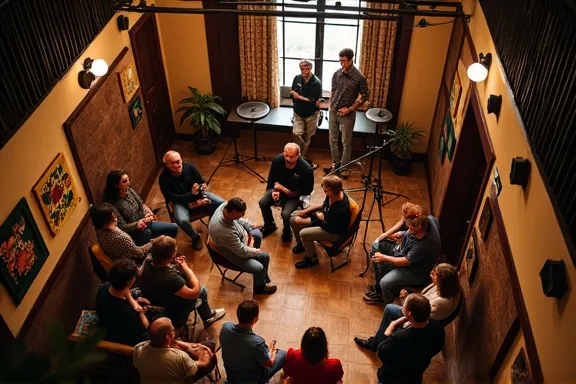
Radio stations frequently partner with local venues and festivals to promote live music events, creating a vibrant ecosystem where artists can perform and connect with audiences. These events often feature live broadcasts, interviews with artists, and exclusive performances, showcasing the profound relationship between radio and live music.
Such collaborations not only enhance the listener’s experience but also provide artists with valuable exposure and opportunities to build their fanbase. Community stations especially excel in promoting these gatherings, often emphasizing local talent and unique musical styles.
The Future of Music Discovery on Radio
As the music landscape continues to evolve, radio's role in music discovery is adapting as well. The rise of digital radio and internet streaming has allowed even smaller stations to reach broader audiences. As radio becomes increasingly digital, it can leverage social media and mobile applications to enhance listener engagement and facilitate music discovery.
Moreover, the integration of listener feedback—through live social media interactions or text-in requests—can create a more interactive listening experience. As we look to the future, it will be fascinating to see how radio continues to blend traditional broadcasting methods with modern technology to enhance music discovery.
Conclusion
Despite the challenges posed by the digital revolution, radio remains a powerful medium for music discovery. By nurturing local talent, celebrating diverse music genres, and promoting live events, radio fosters an environment of artistic growth and exploration. As we navigate the ever-changing landscape of music consumption, the enduring influence of radio will undoubtedly continue to resonate with audiences and artists alike.
For more insights into the evolution of radio and its considerable impact on society, check out our articles on The Evolution of Radio: A Journey Through Time and Exploring the Art of Radio Storytelling.